
Checklists and reporting guidelines—You can check every box and still miss the point
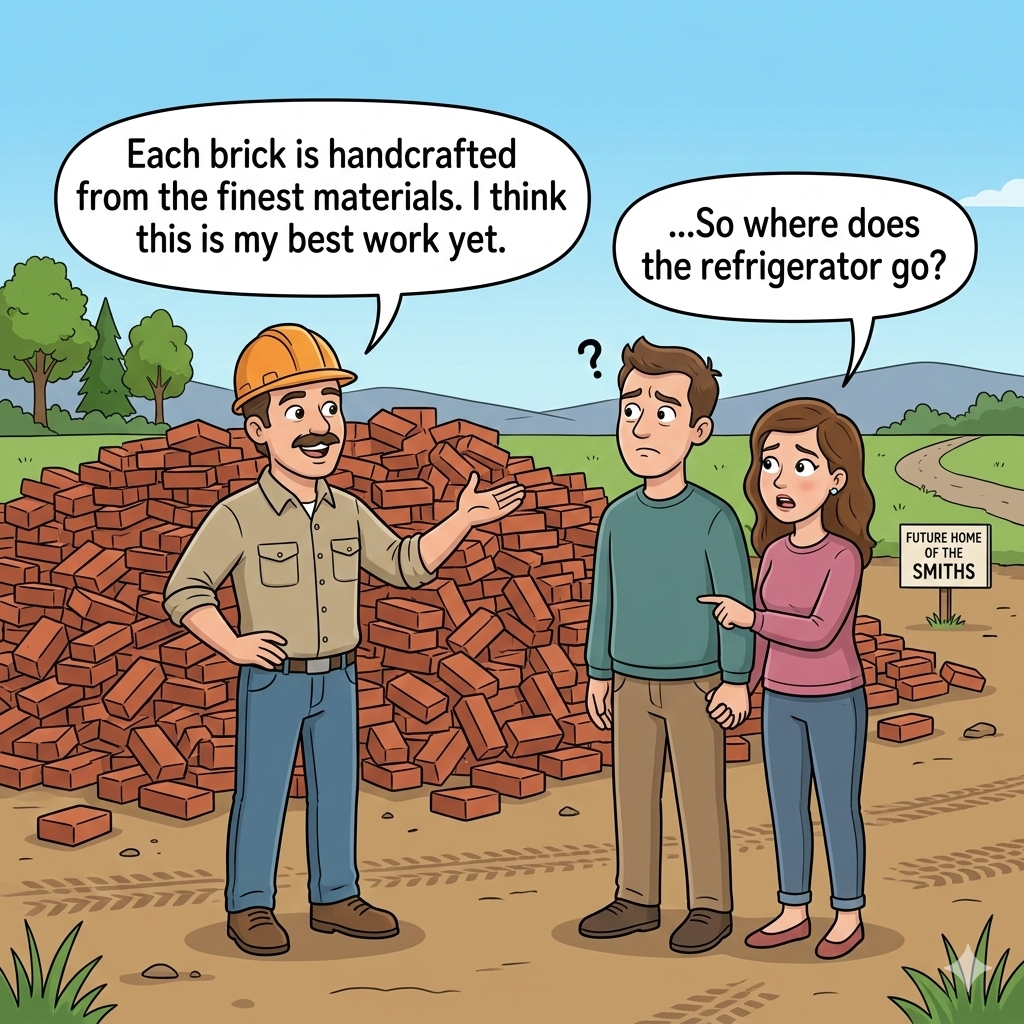
I have a love-hate relationship with good research practice checklists and reporting guidelines. On the one hand, they’re incredibly useful. They give researchers a framework for knowing what to consider so nothing important gets overlooked. But checking every box doesn’t necessarily mean you’ve communicated the meaning or value of your work.
Two years ago, I set out to help scientists make better research communications. Turns out that’s not the real problem that needs solving.
As a research scientist, I knew firsthand the annoying, time-sucking consequences that result when stakeholders and collaborators didn’t understand my work. So I wanted to give scientists the tools and techniques that professional communicators use and take for granted but that are rarely part of scientific training. After spending the last two years examining the consequences of poor scientific communication and talking with researchers about their experiences, I’ve come to realize the problem is much deeper.
The hidden costs of poor scientific communication
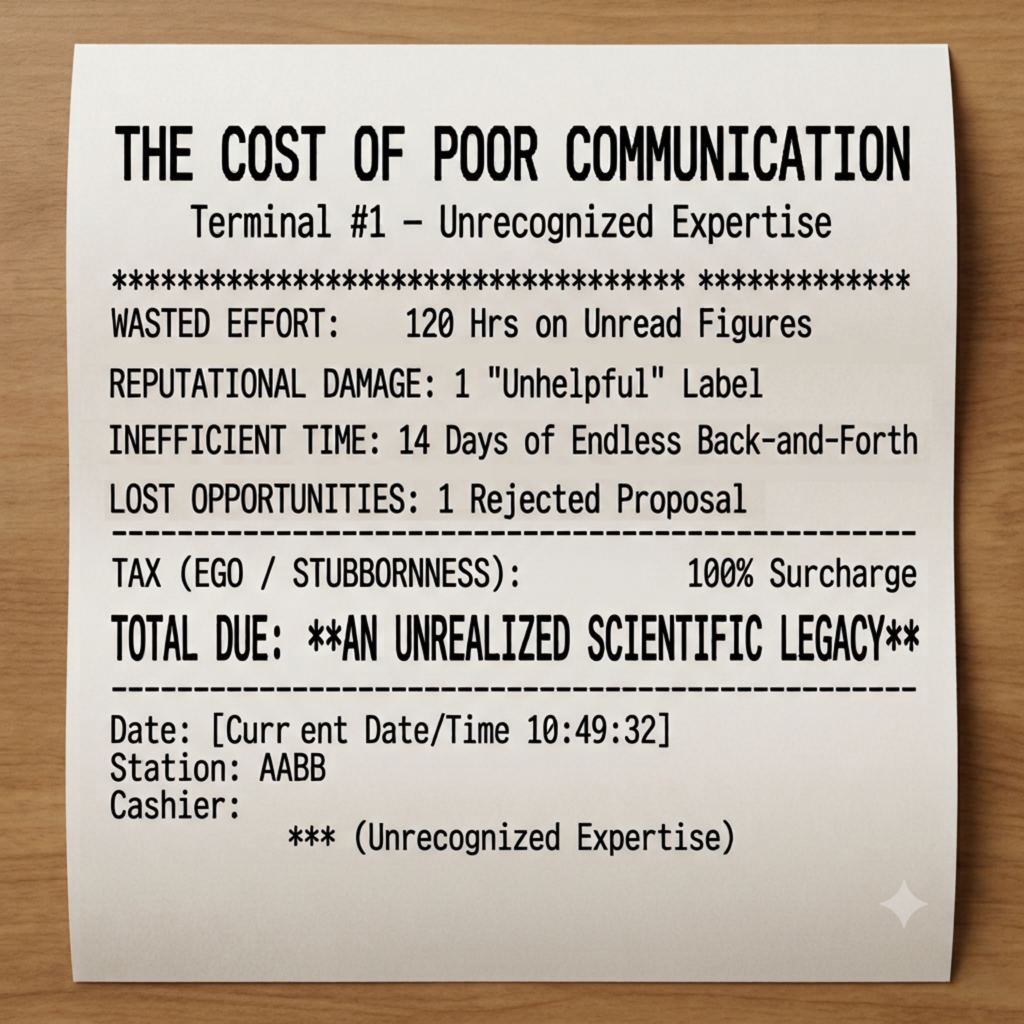
Before I started scientific communication coaching, my own project reports and presentations consistently followed the principles I teach today. At the time, it didn’t seem particularly concerning whether other researchers in my organization adopted those principles as well. The cost of mediocre scientific communication appeared to be zero. Today, I no longer believe that’s true. Poor scientific communication is remarkably expensive. It’s just that the costs are rarely measured.
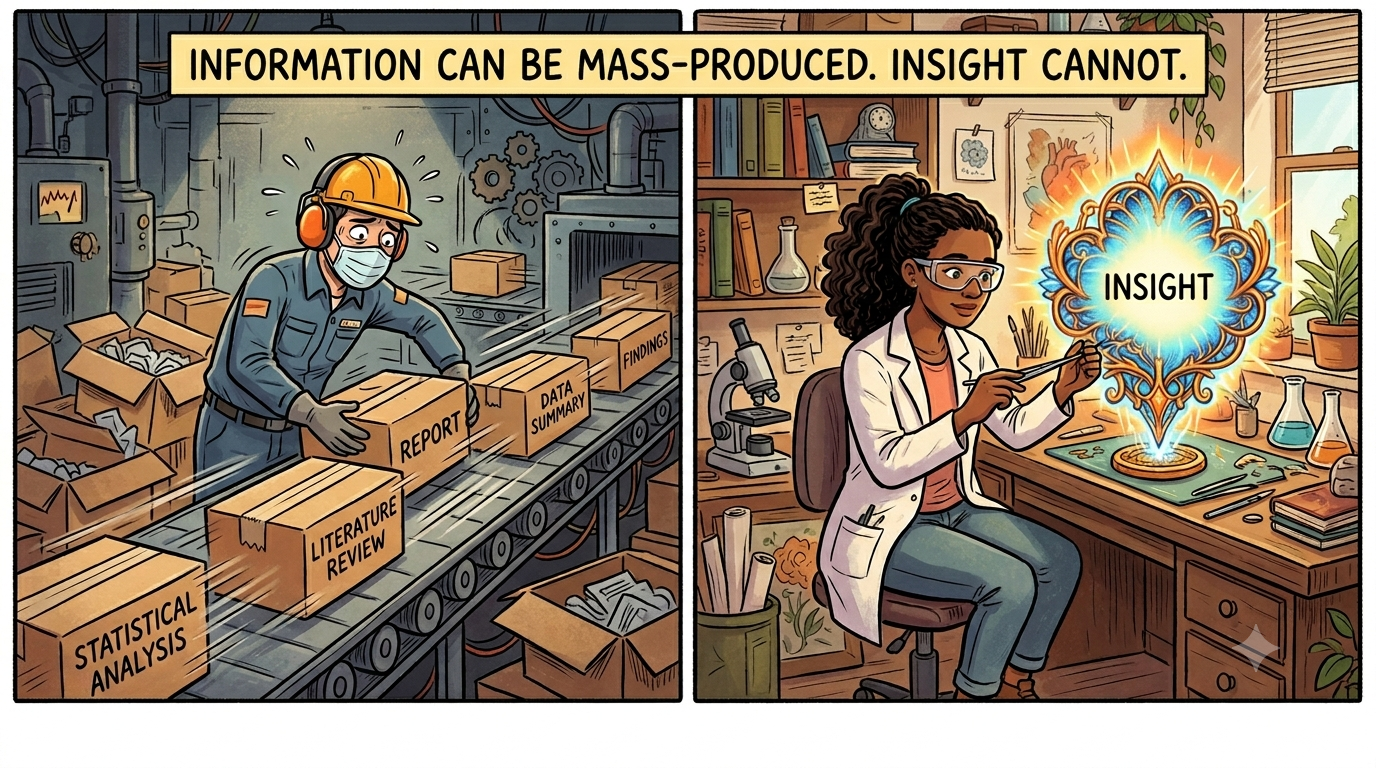
The declining value of executing scientific analyses
There was a time when knowing how to conduct a scientific analysis alone was enough to establish a researcher as an authority. Today, executing analyses is cheaper, faster, and easier for non-experts.
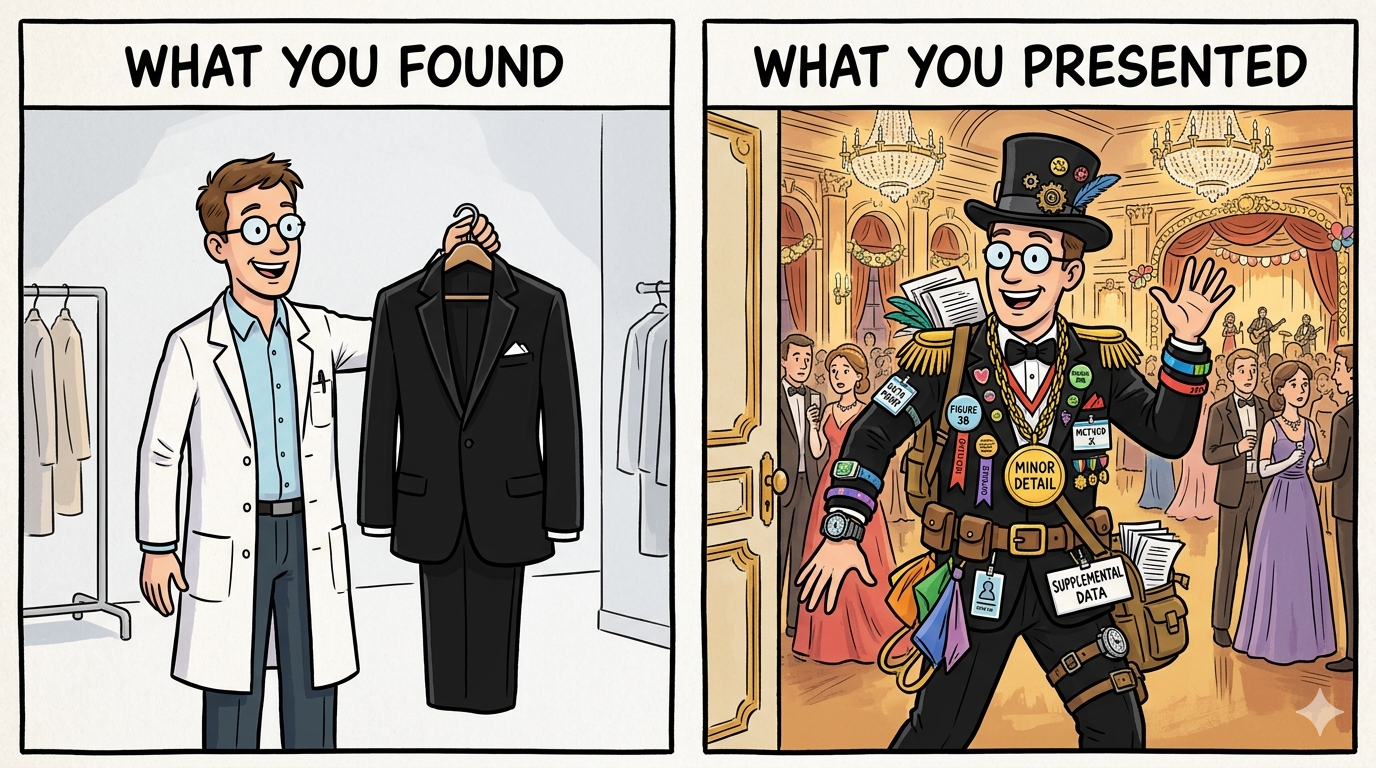
Extreme discernment is the secret weapon behind impactful research communications
Researchers spend enormous time and effort generating nuanced findings, careful analyses, and technically rigorous work. Naturally, they become attached to those details. Discernment requires that researchers part with some of these beloved details and put them into the presentation recycle bin.
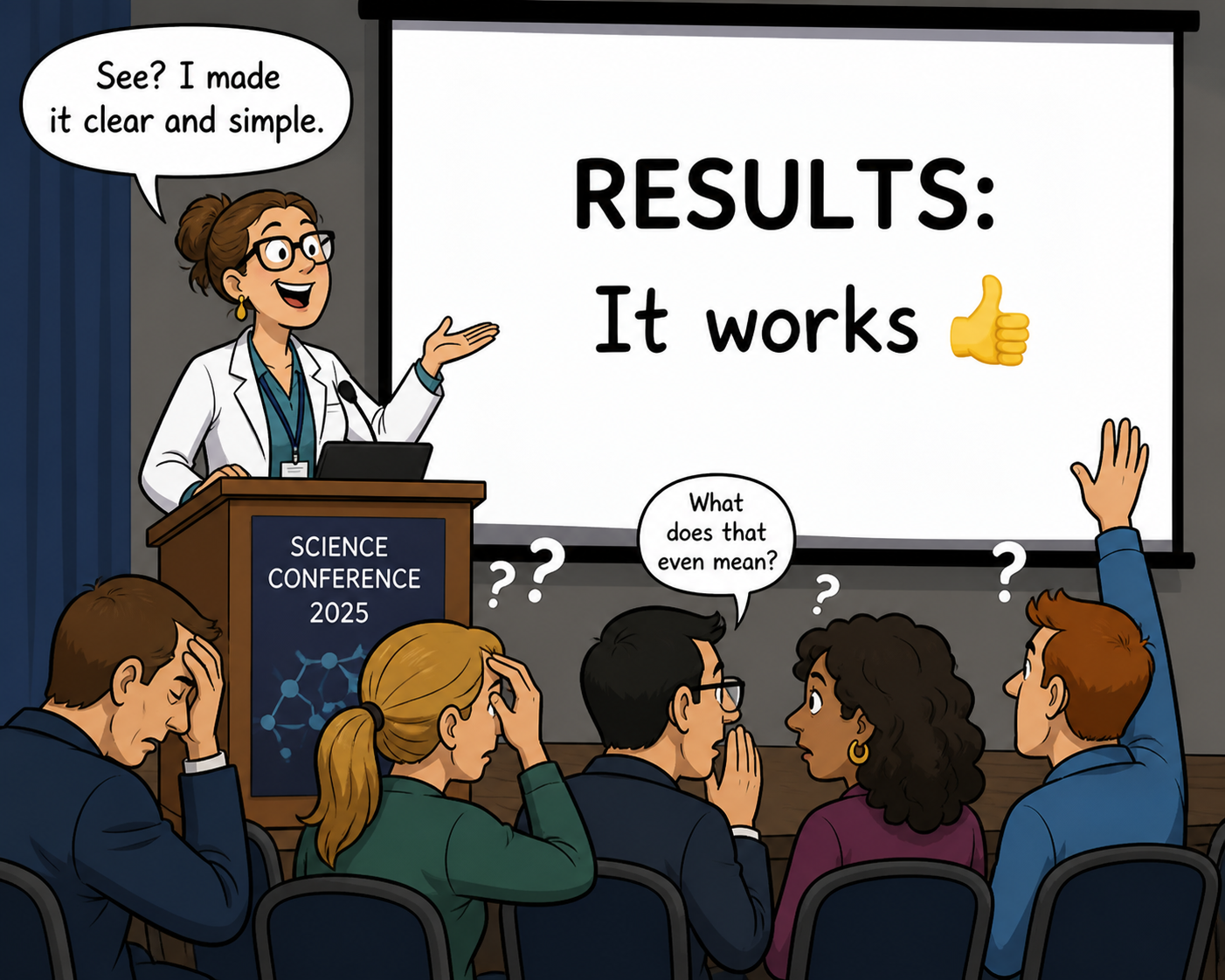
What does making your research “clear and simple” mean? Maybe not what you think.
The most common pushback I hear when I talk about simplifying scientific communication is “How will people recognize my expertise if I don’t use scientific terms?” Fair question but that's not necessarily what “simplifying” means. It means making your message easy for your audience to understand without unnecessary effort on their part.
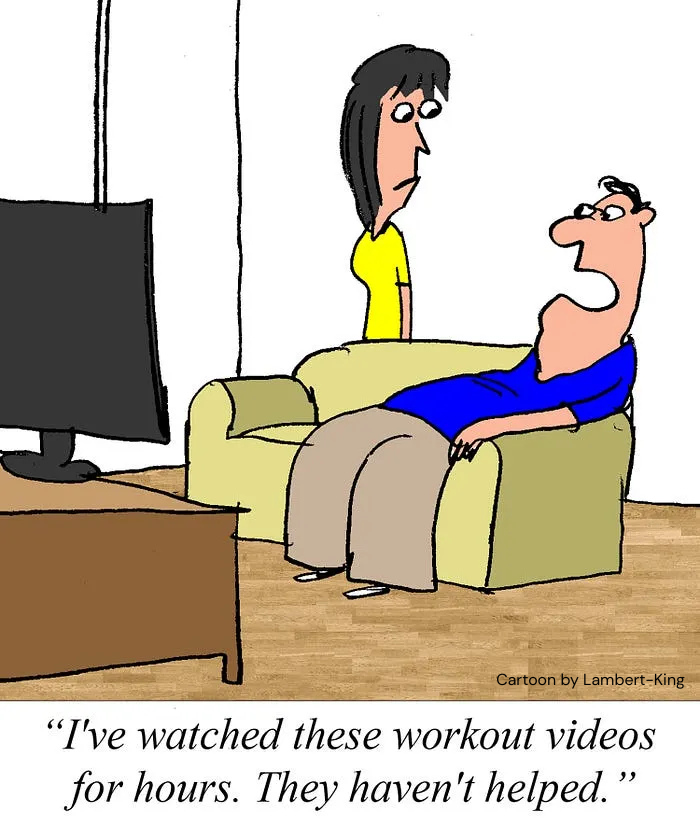
The missing step in most communication training: learning how to apply ideas to your own research
In a training, I learned a narrative framework that dramatically improved how I organized my research reports. The only problem? I was the only one who actually it. In this issue, I explore why great training insights so often fail to translate into better scientific communications.
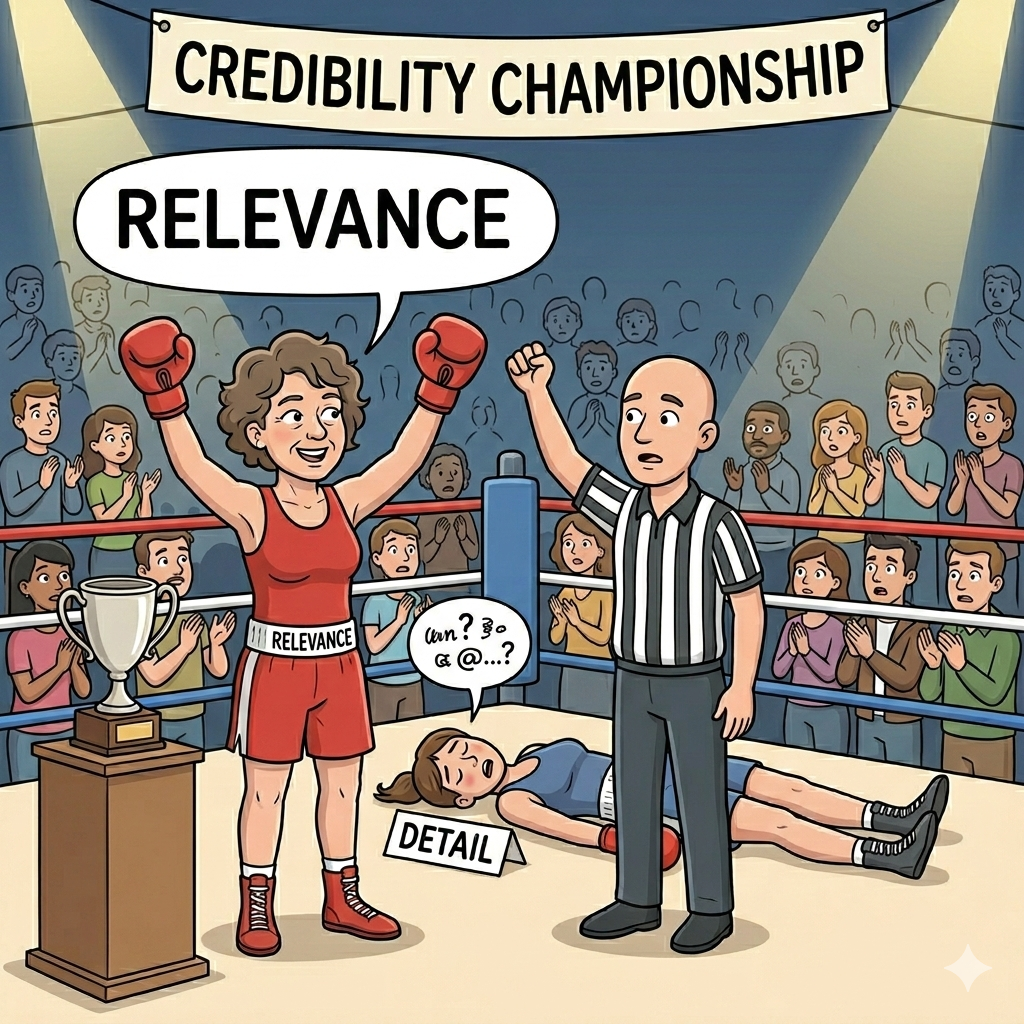
The key to credibility is relevance, not volume
For your research to be credible and persuasive, you just need to shift how you think about the goal of communicating it. You don’t need your audience to admire your study’s scientific rigor. You need them to understand why your research matters to them.

What do pickleball players and scientific communicators have in common? A lot of bad habits.
These habits persist in pickleball and in research communications for the same reason: people haven’t been shown a better way, and the behaviors are common enough to feel reasonable. The tricky part is that these aren’t fatal mistakes. But they quietly limit how effective you can be.
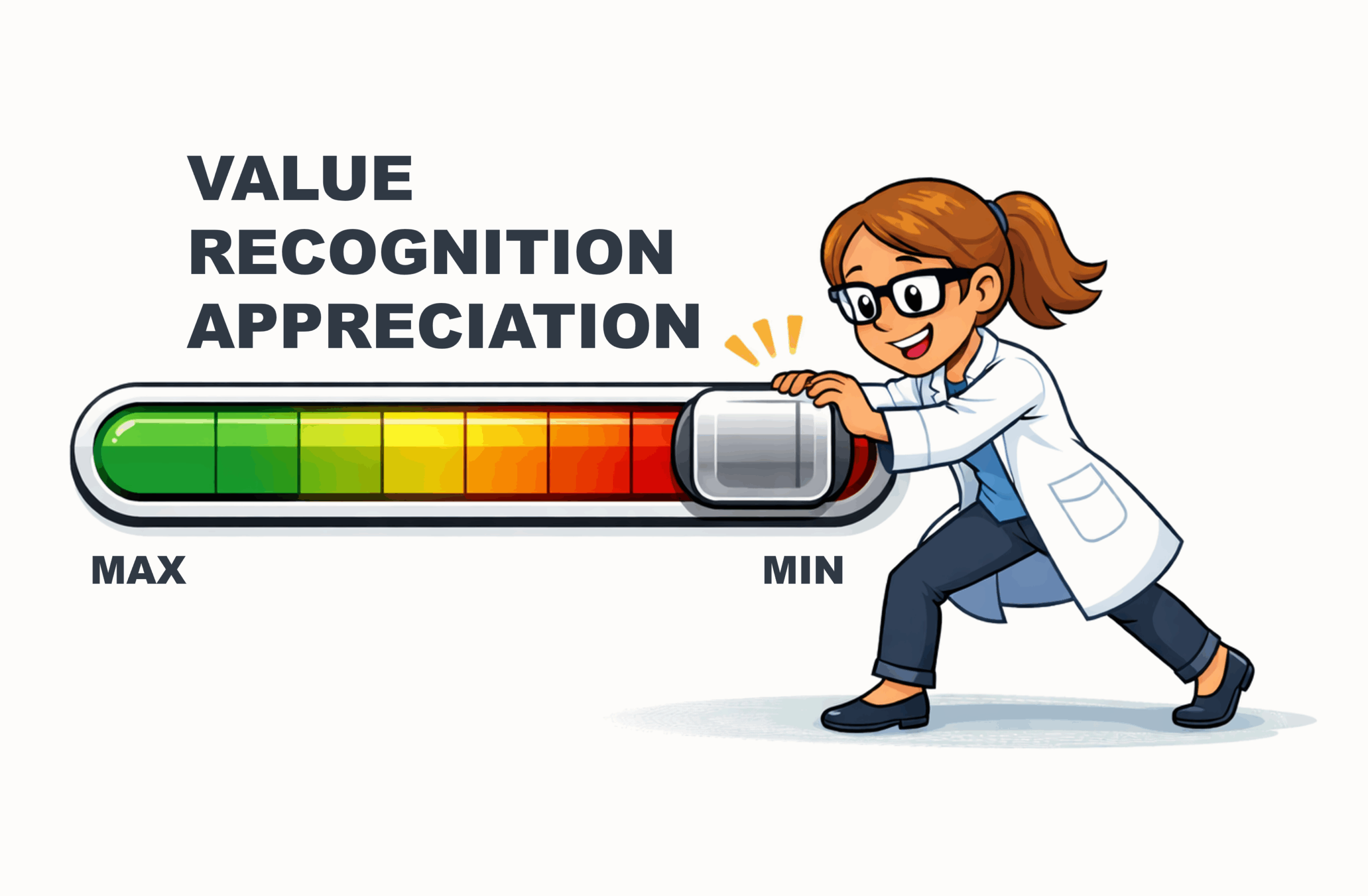
Why great science doesn’t always get its due
Everyone wants to be valued for their work. But great science only earns recognition when it solves a problem that matters and shows the solution in a way people can use. I share a simple framing shift that changes how you and your stakeholders engage with your research.
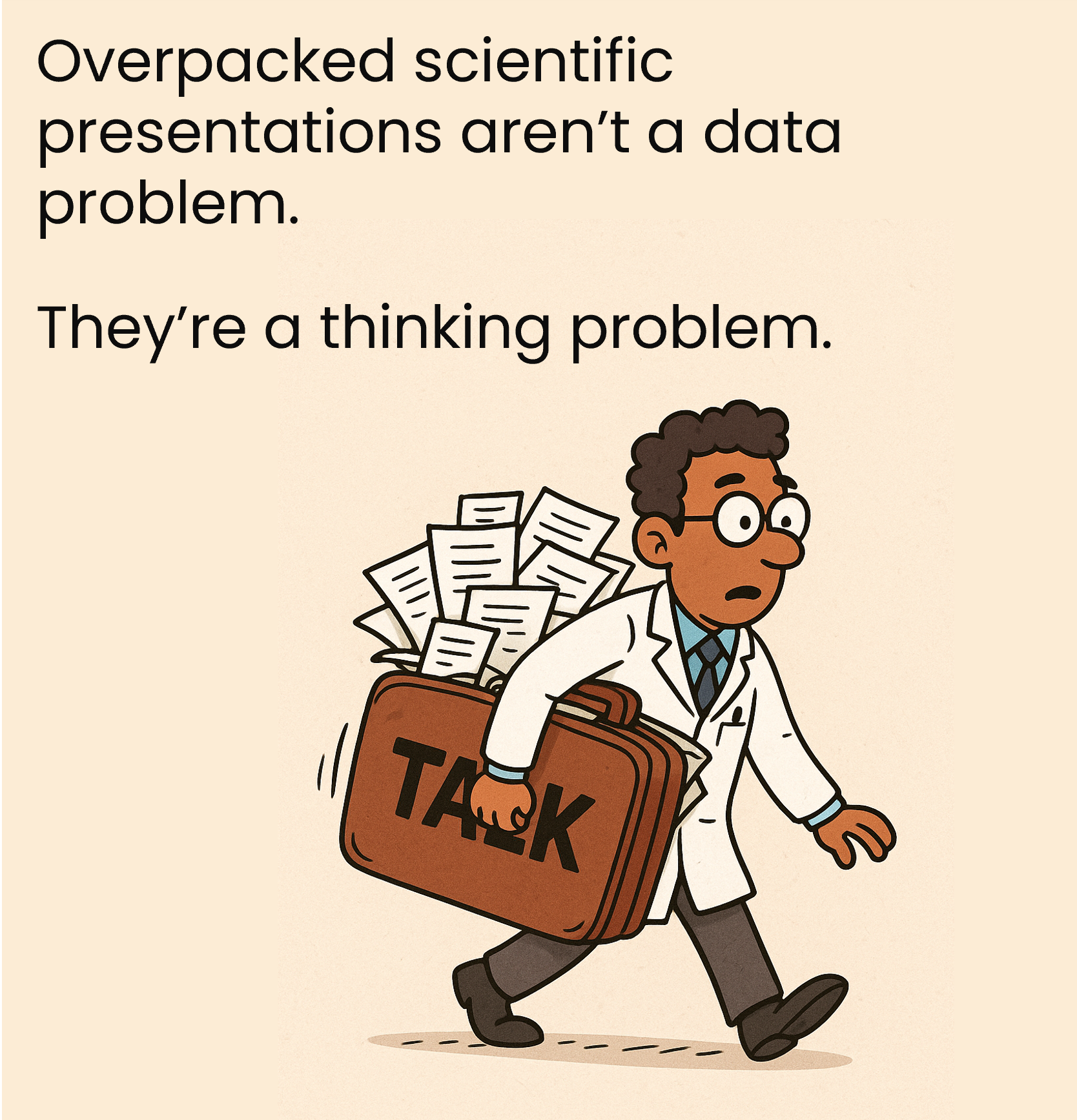
Why good scientists overwhelm audiences (and how to stop that)
Are your scientific presentations so packed data that your audience is overwhelmed? The problem might not be the complexity of your research…It might be your mindset. I break down the hidden habits that cause scientists to overload their audiences—and what to do instead to make your message clear.
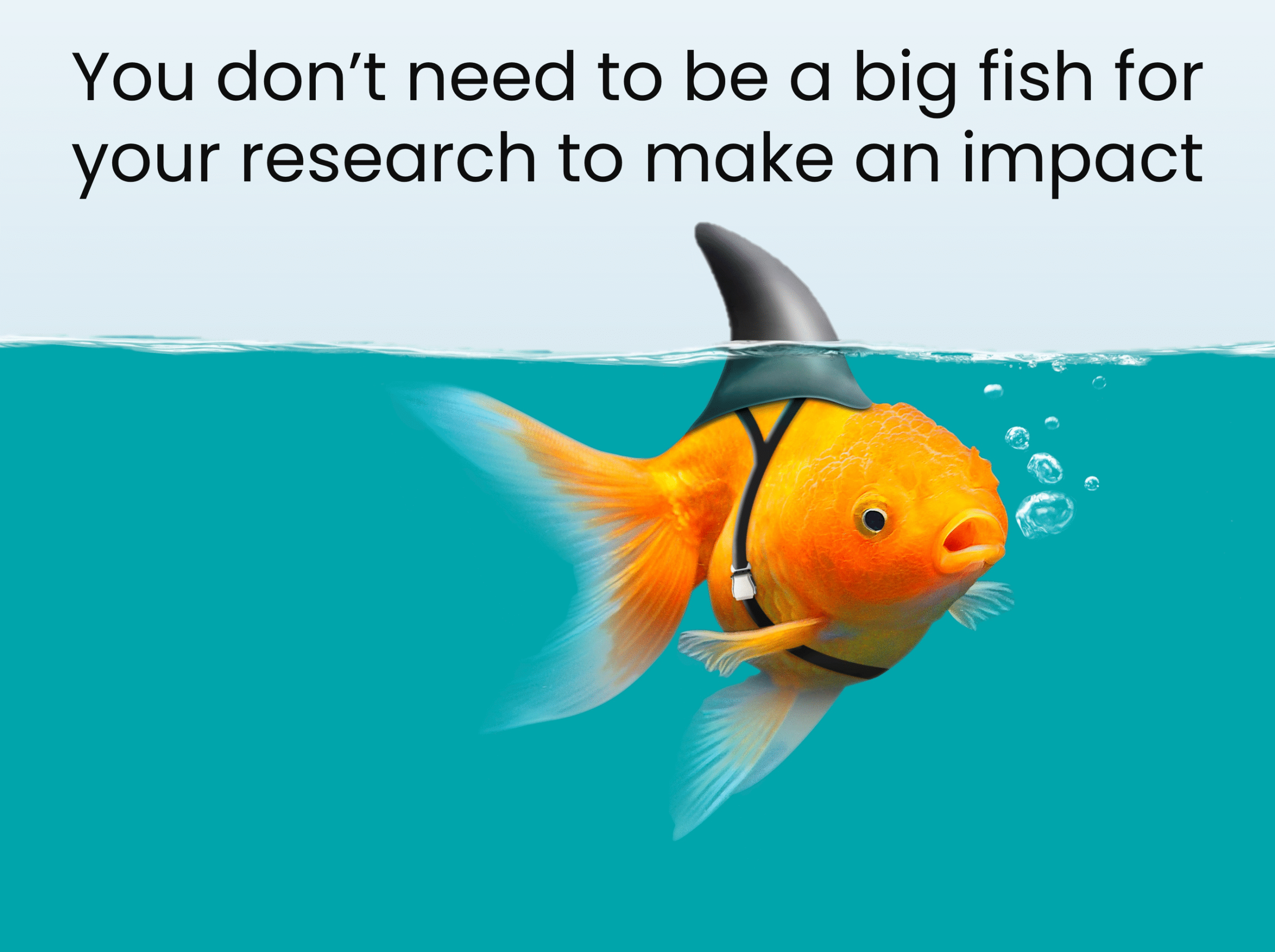
The key to making your research influential: It’s not who you are, it’s how you present.
Think only “big names” can make an impact at conferences? Think again. Influence in science isn’t about who you are—it’s about how clearly you communicate. Learn the simple techniques that make any presentation engaging and memorable.
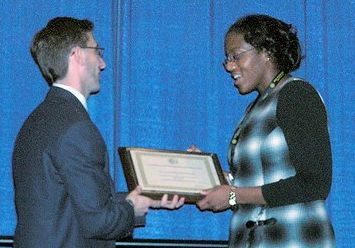
My award-winning conference talk: What I got right—and wrong
I won an award for my first conference talk. Here, I reflect on what I did right and what I still got wrong in sharing that research. Read about it so you can replicate what worked and avoid the mistakes I made.

One year of helping Ambitious Scientists go from hard work to recognition
This issue marks the one-year anniversary of this newsletter! Let me remind us all why we’re here:
- Scientists work incredibly hard.
- Their only real “glory” is when people appreciate that work.
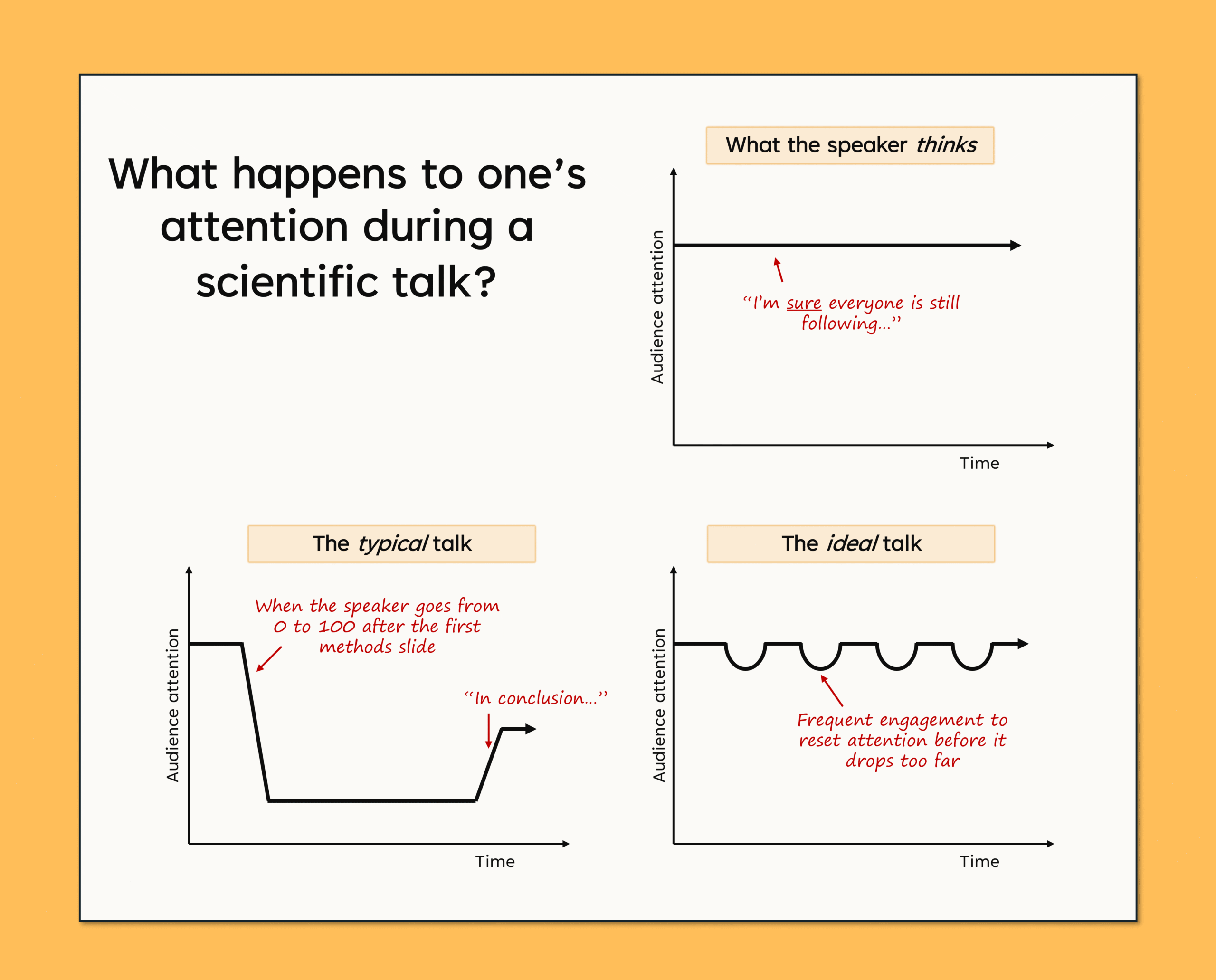
Your audience’s attention will wander naturally. Your job is to bring it back.
Attention requires effort, brainpower, and energy, and is increasingly difficult to maintain. Your job is to keep your audience’s attention on you and off their email. Because once you lose them, they will come back . . . just in time for the next speaker.
What makes you sound professional? (Hint: It’s not jargon.)
I gave a training to about 50 researchers to use plain language to write clearer, more compelling abstracts. This led someone to ask, “But aren’t we supposed to make it sound a certain way?” Ah, yes, the classic worry: If it doesn’t sound professional (for scientists, that means overly formal and scientific), will people take it seriously?
Let's think this through.

Polite indifference is the worst feedback you can get
When someone engages with your work you are asking them for something valuable: their time and attention. Make it worth their while.
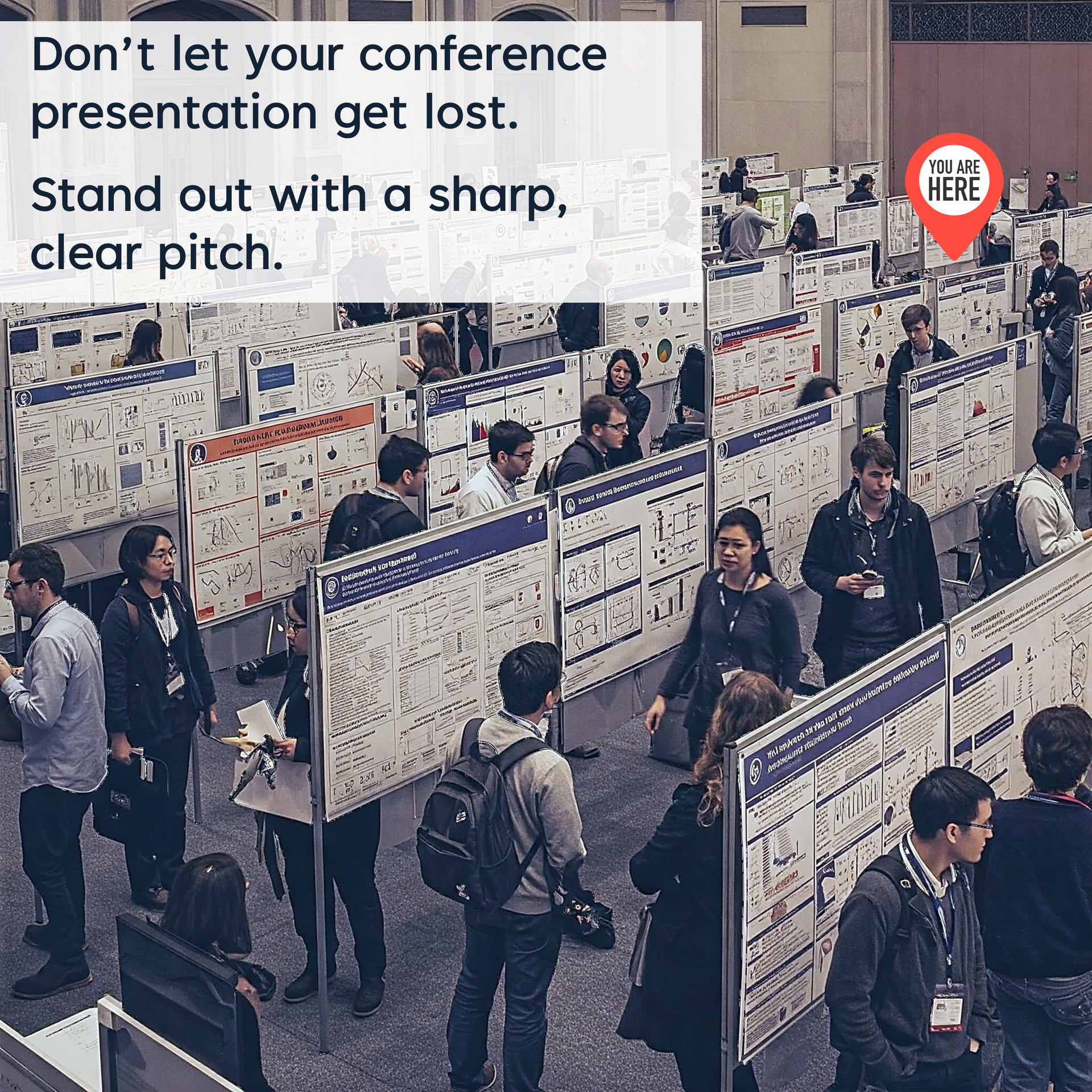
How to make more networking connections at a conference
When conferencegoers are overloaded with information, how can you make sure your work stands out and sparks connection?
You need an elevator pitch. A quick and engaging summary of your work that invites curiosity and conversation.
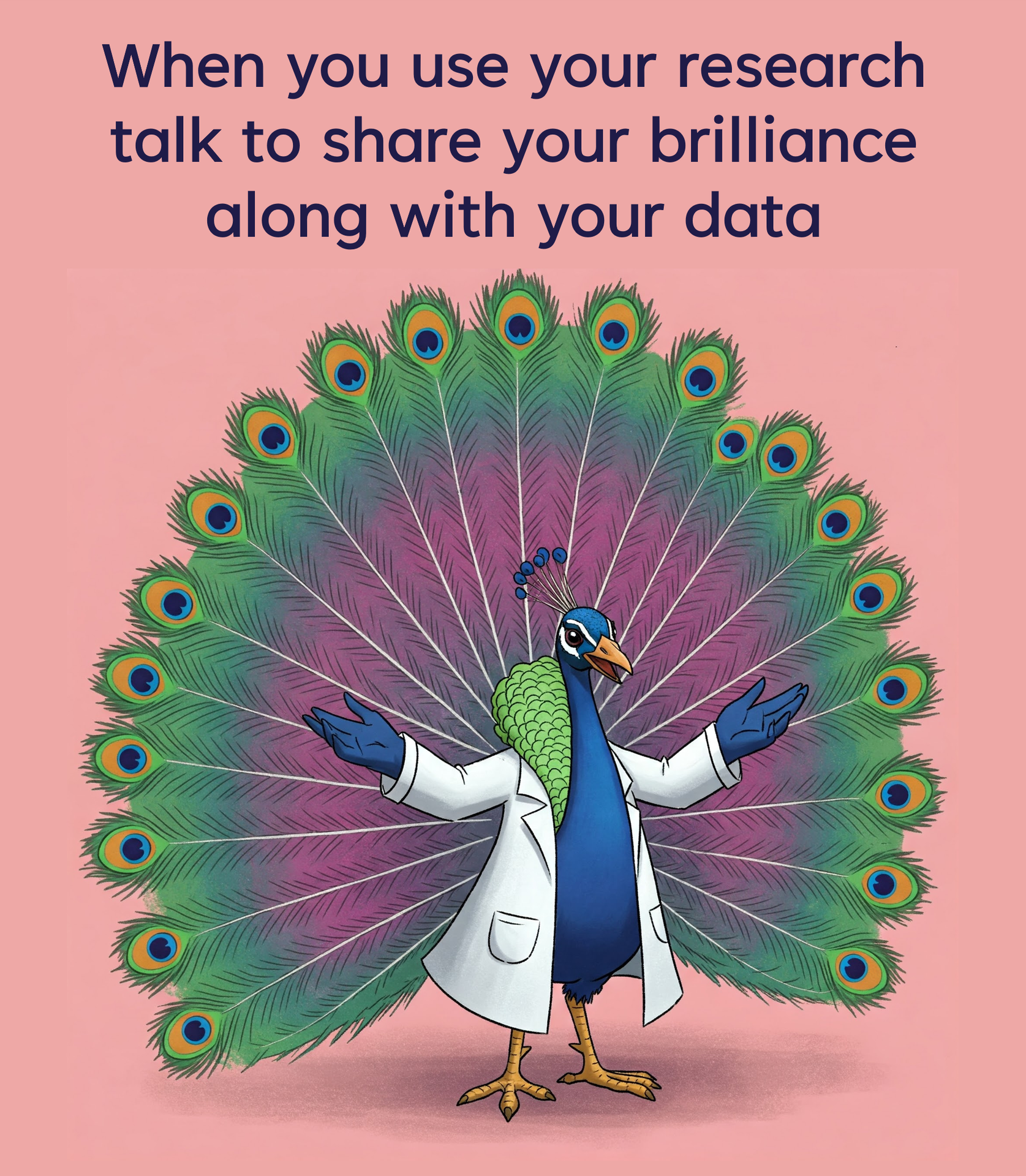
How to achieve the real goal of your research talk: demonstrating your expertise
Demonstrating expertise is the goal of many scientists when they present their research—even if they don’t explicitly acknowledge it. Your research presentation is a moment to show the world that you are great at what you do. And, let’s be honest, this presentation might be the only recognition you get for all the effort you put into your study.
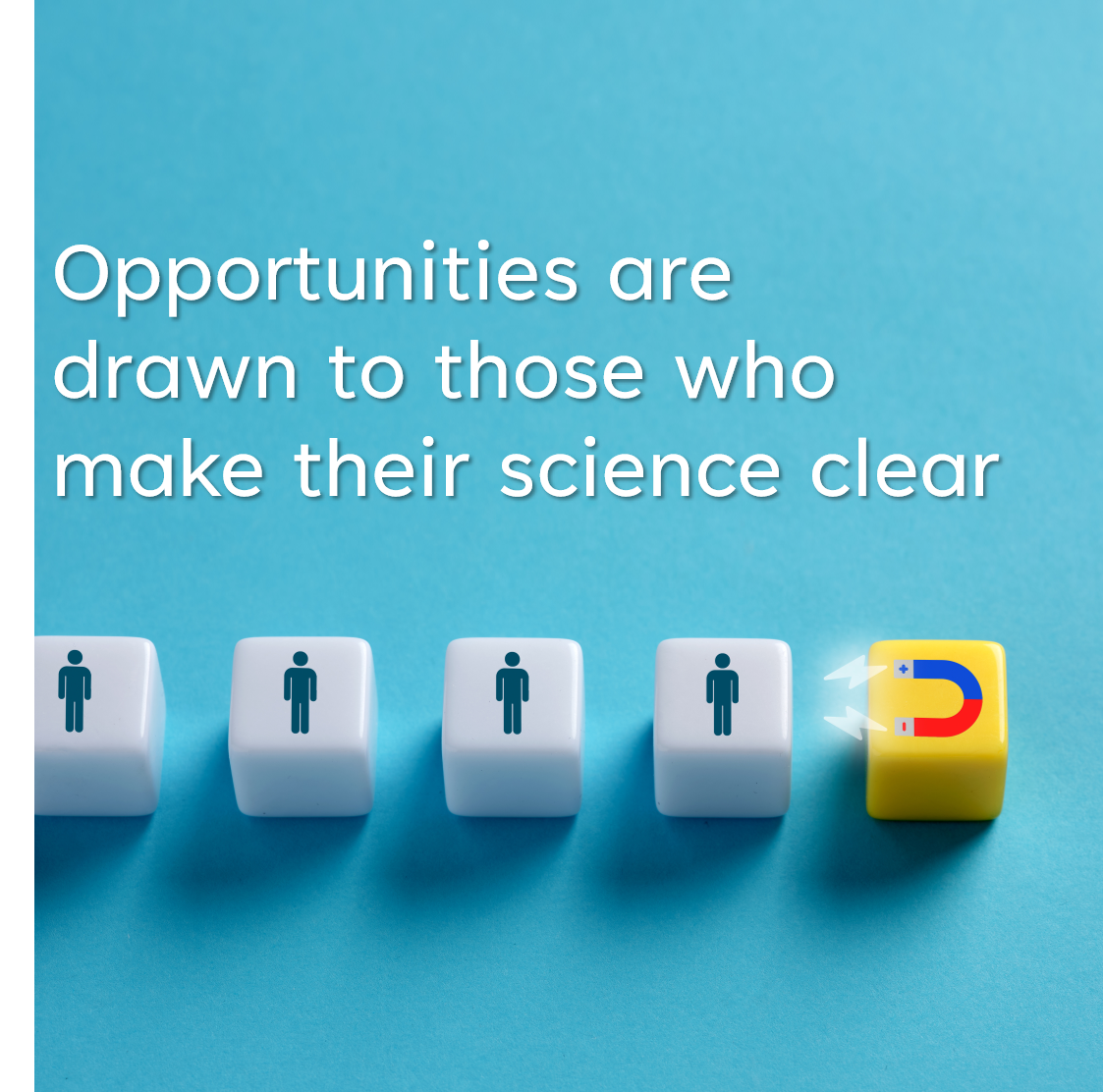
The secret to attracting opportunities is not just being a good scientist, it’s ensuring others understand your good science
If audiences don't understand the content of your presentations, how can they recognize your work's value and want to collaborate? It's not just about the quality of your research, it's about communicating that quality in a way that makes your expertise neon-blinkingly obvious.
Why you should think of your science as a story
Which is more engaging: a newspaper article or an owner’s manual? Both document information, but one is interesting and informative and the other is read only when absolutely necessary. People have evolved to think in stories, so think like a journalist and use them to make your messages sticky.
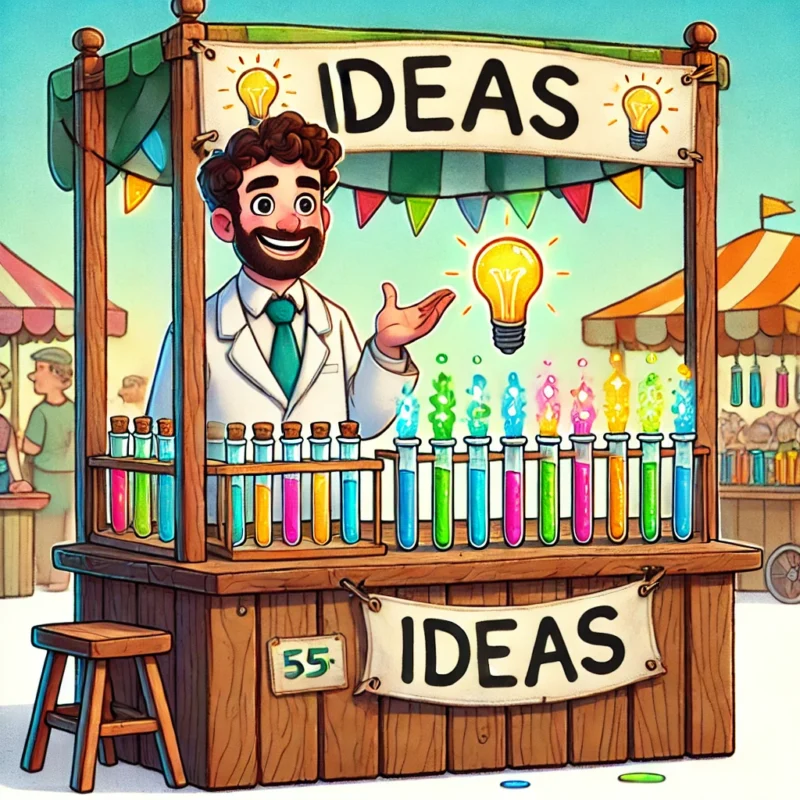
Whether you know it or not, we’re all selling something
Most professionals spend 40% of their work day engaged in sales-like activities such as persuading, influencing, and convincing others. All this selling happens whether they are aware of it or not.
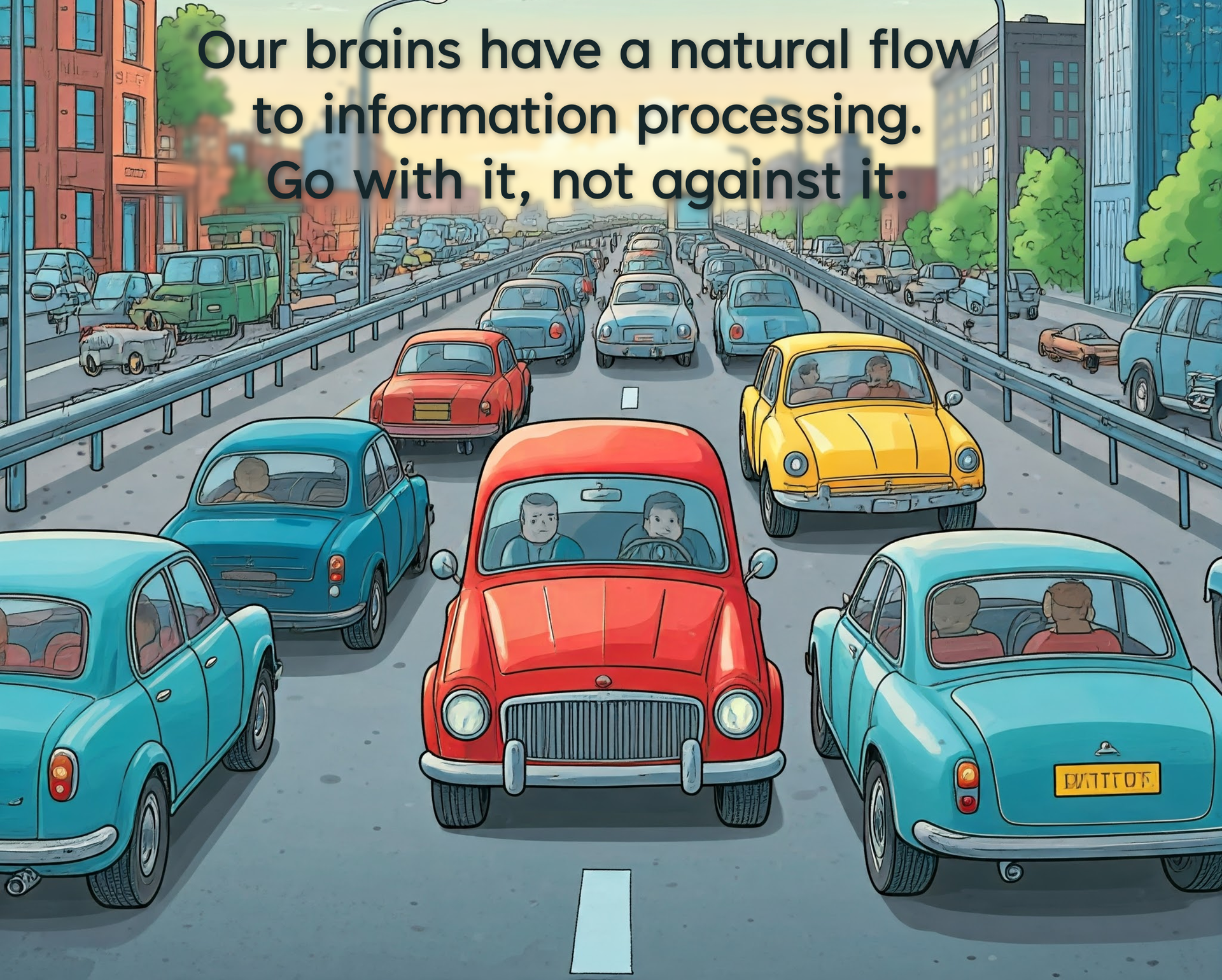
Use these brain rules to your advantage when presenting your science, or ignore them at your peril
Savvy marketers have exploited human tendencies for years. Scientists can also use how brains' naturally process information to create more engaging presentations and make a better impression on their audiences.
How to make your audience want to hear complex info
To be inspiring and influential, you must give audiences a reason to want to listen to you and make them believe that listening won’t be hard work. Once you’ve earned that trust, you have to keep it by presenting your information simply.
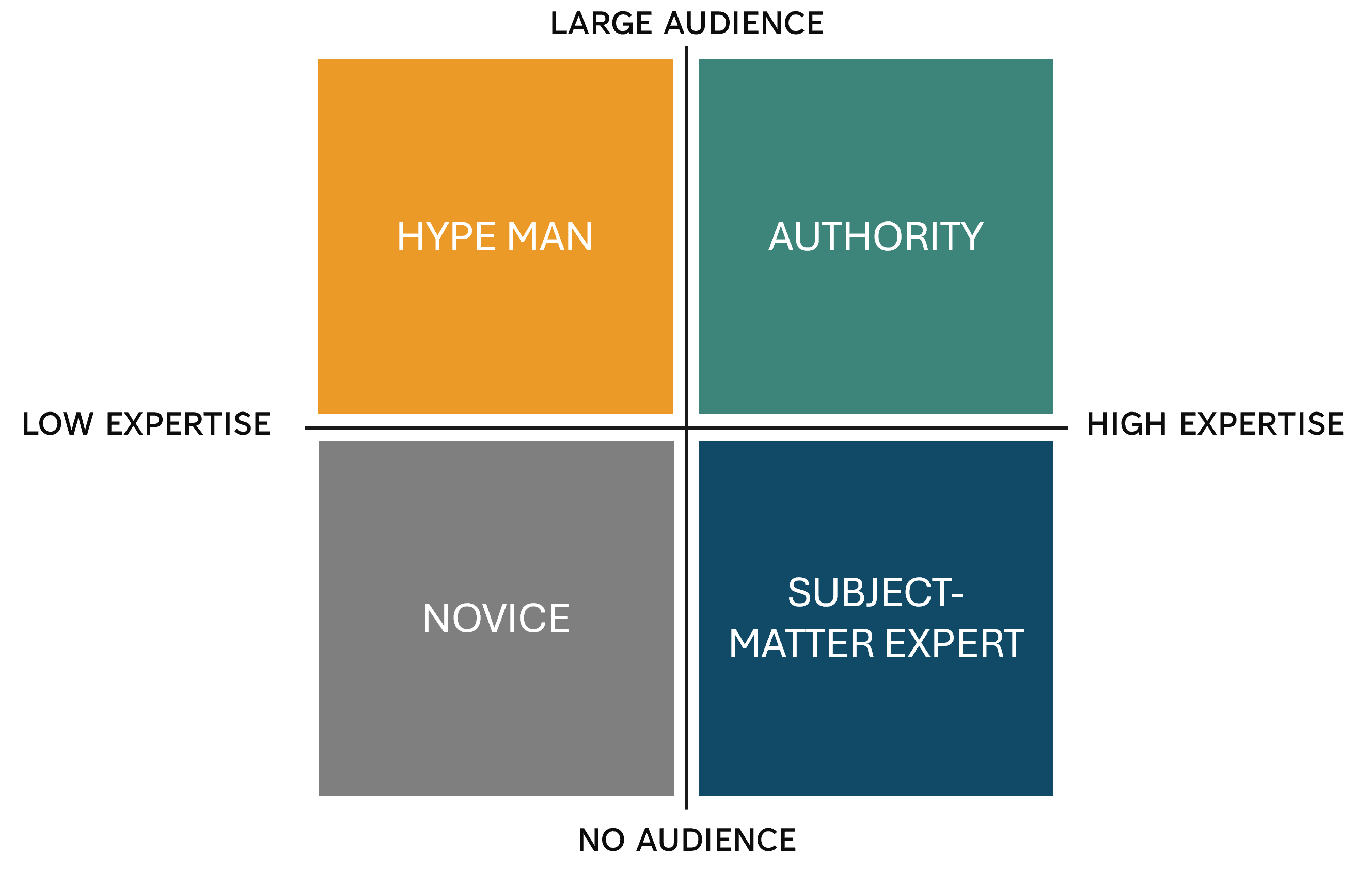
How to be a go-to authority in your field
Scientists spend years training, practicing, and honing their technical skills. Through hard work and dedication, they earn the subject-matter expert (SME) designation. SMEs have a deep level of knowledge and often solve problems no one else can.
Some SMEs go even further to become authorities.
How to make your science memorable
James Carville, Bill Clinton’s 1992 US presidential campaign manager, knew that if the campaign presented too many messages, voters wouldn’t remember any of them. So he put a sign in their headquarters to keep staffers focused on the economy: “It’s the Economy, Stupid!”