

In 2013, I sat in a presentation training that completely changed how I thought about communicating my research results.
We learned the Problem–Question–Answer structure to organizing information: What problem needs solving? What question does that problem raise? What is the answer to that question?
I remember thinking, “This is genius!” No longer would I stare at a pile of results wondering how to organize everything. I now had a clear way to focus on the problems the clients who hired us needed us to solve, and a way to present my work that made the solutions to those problems obvious and useful.
It worked great! The only problem was—as far as I could tell—I was the only one among my colleagues who implemented it.
After the training, I never heard anyone reference that framework again. No one talked about applying it to their documents, nor did they seem to expect to see others using it.
Even though we had all gone through the same training, most people went right back to creating and presenting their study documents the way they always had.
Given the day-to-day pressure of real work, tight timelines, complicated projects, and competing priorities, people didn’t have time (or any real incentive) to figure out how to apply this new concept to their own research communications. And to be fair, it was a lot to ask from a single training session.
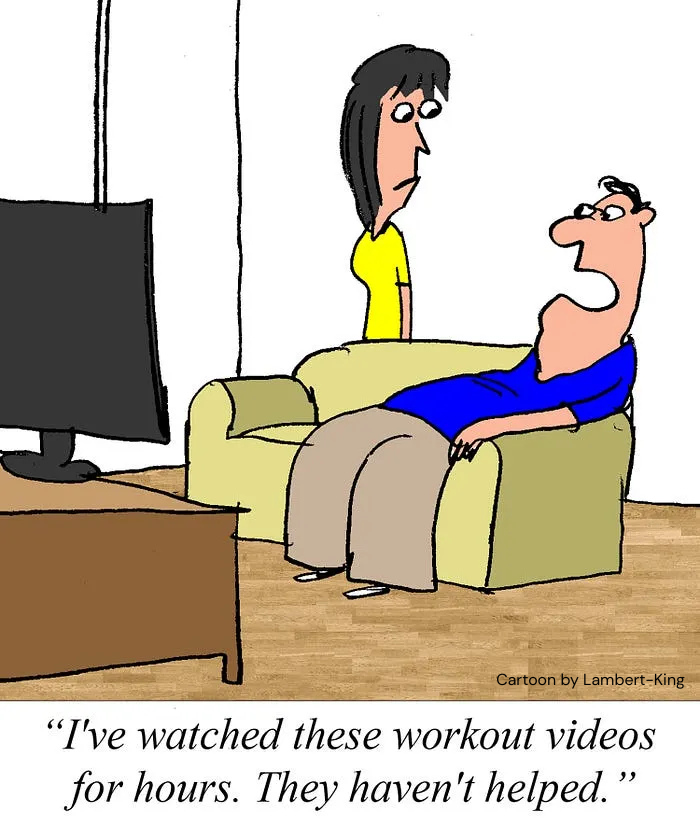
And that’s hardly a scenario unique to science. Training often creates moments of insight, but insight doesn’t automatically lead to behavior change. Until that gap is closed, the impact of training rarely lasts.
Teams that actually improve their scientific communication do something different. They create shared expectations around what “clear research communication” looks like. They identify people who will model it well—the standard bearers—and elevate that standard across the team.
In other words, good scientific communication isn’t just about knowledge. It’s about culture.
Scientists don’t want to confuse people. They want their work to be understood and respected.
But the status quo is working against them.
There is no shortage of communication frameworks, tools, and tips freely available from many resources. Where people get stuck is figuring out how to apply them to their own data for their own stakeholders.
Changing that starts with training, but it doesn’t end there. It requires reinforcement, support, and a shift in how teams think about their research communications.
Helping scientists make that shift is my mission. Without knowing how to present their work clearly and effectively, researchers will fail to get the recognition and influence they deserve, no matter how great their work is. And that’s a travesty because scientists work hard—too hard for their efforts to go unappreciated.
Using my own research experience, I show them how to apply the principles of effective communication to their actual work so clear and useful research communications become the expectation.
When that happens, the culture shift is noticeable. One workshop participant put it this way:
“[The] What? So what? Now what? [narrative framework]—For me this is a new and useful approach that enables me not only to write reports but also to describe, analyze, and act accordingly.”
If you’re thinking about how to improve your team’s research communications, I’m happy to share what that can look like in practice.